Blog

  • How to Design a Client-Friendly Reception Area

    How to Design a Client-Friendly Reception Area

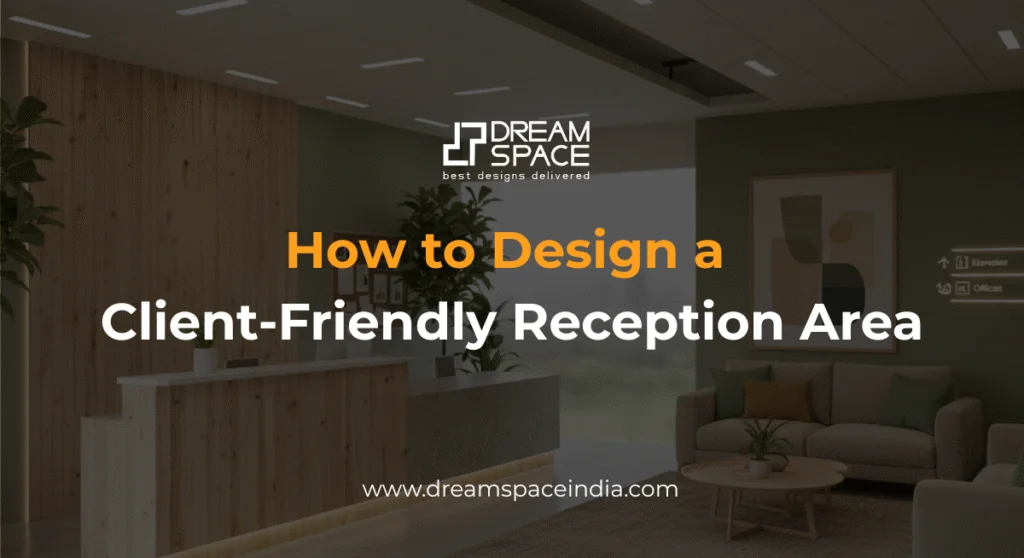
    When clients walk into your office, the reception area is their first real encounter with your business. It’s more than just a waiting spot; it’s the physical embodiment of your brand’s professionalism, warmth, and attention to detail. A thoughtfully designed reception area delivers a powerful message—it says you value your visitors and sets a positive tone for everything that follows.

    In 2025, designing a client-friendly reception area is about balancing aesthetics with function, blending comfort with efficiency, and showcasing your unique brand personality in subtle yet memorable ways. Get ready to turn your reception space into an inviting, organized, and impressive introduction that clients won’t forget.

    Explore how our office interior projects have helped businesses create stunning reception areas that leave a lasting impression.

    Set the Tone with a Strong First Impression

    Your reception area is the gateway to your business—it sets the mood and expectations for every visitor. A client-friendly reception greets guests with comfort, professionalism, and a reflection of your brand’s identity. Prioritize clean design, intuitive flow, and warm touches that make clients feel immediately valued.

    Invest in a Functional, Stylish Reception Desk

    Choose a reception desk that combines sleek design with practical features like built-in storage and ample workspace for receptionists. Modular desks with flexible layouts allow adaptation to different visitor volumes. The desk should be prominent and inviting, ideally positioned where clients naturally enter.

    Optimize Layout for Easy Navigation and Comfort

    Clear sightlines and unobstructed paths reduce confusion and create a welcoming atmosphere. Designate zones for check-in, waiting, and quick meetings. In smaller reception areas, use minimalist furniture with slim profiles to maximize space while maintaining comfort.

    Prioritize Comfortable, Ergonomic Seating

    Visitors may wait longer than expected. Comfortable seating with good back support is essential for a positive experience. Mix seating options like sofas, armchairs, and benches to cater to different preferences. Add accent pillows or upholstery in your brand colors to subtly reinforce identity.

    Use Lighting to Enhance Ambiance and Functionality

    Natural light is ideal; it energizes visitors and creates an open feeling. Complement windows with adjustable warm LED lighting, pendant lamps, and indirect illumination to prevent harsh shadows and ensure the space remains inviting throughout the day and evening.

    Incorporate Greenery and Natural Elements

    Plants boost mood, purify air, and add vibrant life to reception areas. Use low-maintenance plants like snake plants or peace lilies in stylish pots or vertical green walls to visually soften the space. Natural materials like wood or stone finishes reinforce a welcoming, grounded vibe.

    Integrate Technology Seamlessly

    Digital sign-in kiosks streamline visitor check-in and reduce wait times. Provide easily accessible Wi-Fi and charging stations for visitor convenience. Ensure tech elements blend with the design to avoid clutter and maintain a sleek, professional look.

    Reflect Your Brand Personality Visually and Subtly

    Use your brand’s logo, colors, and themed decor elements tastefully—think custom artwork, signage, or cushions. The goal is an authentic space that communicates your values without overwhelming visitors, reinforcing trust and connection from the moment they arrive.
  • Color Psychology in Office Interiors: Boosting Focus, Calm & Creativity

    Color Psychology in Office Interiors: Boosting Focus, Calm & Creativity

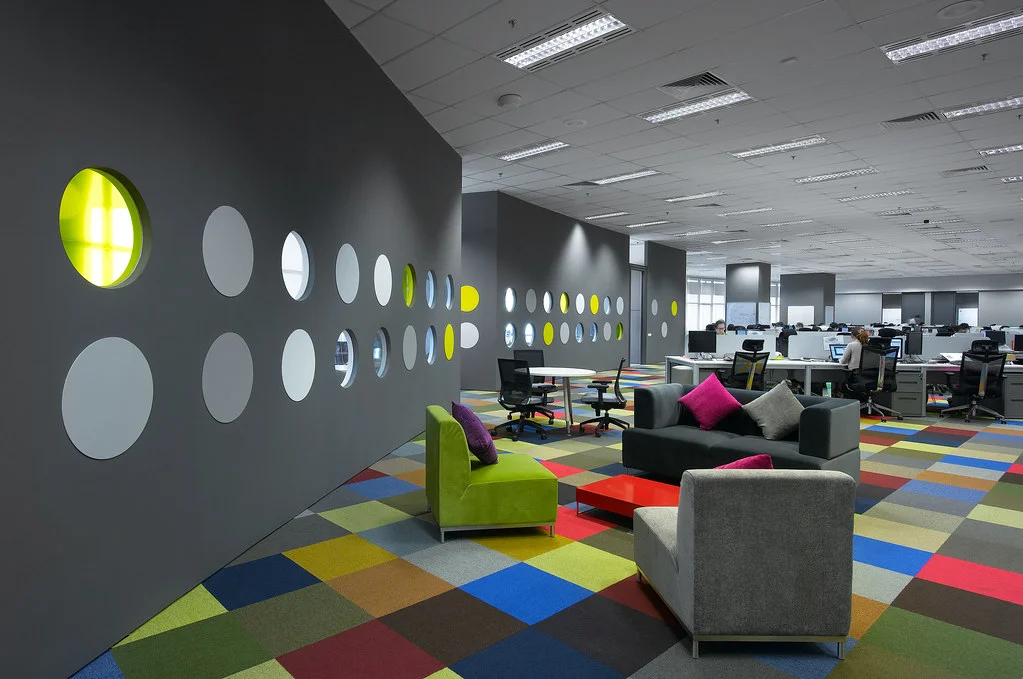
    Color isn’t just visual—it’s emotional, psychological, and deeply strategic. In modern workplaces, the colors you choose aren’t just about aesthetics. They directly influence employee productivitymoodcreativity, and even how clients perceive your brand.

    So, what happens when we combine interior design with color psychology? Magic. Or rather, measurable improvement in how people feel and perform.

    Let’s explore how color psychology shapes office interior design and how you can use it to build smarter, more inspiring workspaces.

    Why Color Psychology Is Crucial in Office Interiors

    Every color evokes an emotional response. Some make us feel relaxed and focused. Others energize or inspire. When used intentionally, colors can enhance performance, reduce stress, and create a brand-aligned atmosphere.

    In today’s hybrid work era, office design has a new mission: boost human performance while reflecting company culture. Color is one of the most affordable and impactful ways to do just that.

    Psychological Effects of Colors in the Workplace

    Let’s decode the meaning behind popular office colors:

    • Blue: Calming, trustworthy, and great for concentration. Ideal for tech firmsfinance departments, and corporate offices.
    • Green: Balanced and restful. Reduces eye strain, making it perfect for long work hours or workstations
    • Yellow: Stimulates creativity and optimism. Works best in collaborative areasdesign studios, or ideation rooms.
    • Red: Energetic, intense, and best used sparingly. Suitable for sales zonescafeterias, or emergency exits.
    • White: Clean and minimal. Makes spaces feel larger but can also feel sterile if overused.
    • Grey: Professional and neutral. Often used in executive cabins and meeting rooms for its understated elegance.
    • Orange: Friendly and inviting. Encourages conversation and warmth—ideal for lounges or breakout zones.
    • Purple: Creative and introspective. Great for wellness rooms or creative businesses.
    • Black: Sophisticated and grounding. Use as an accent in reception areas or branding walls.

    Color Zoning: Designing by Function, Not Just Style

    One of the smartest ways to apply color psychology in office interiors is through color zoning—assigning colors to different functional areas.

    Here’s how that looks in practice:

    • Reception areas: Warm neutrals and earthy tones feel welcoming and grounded.
    • Workstations: Soft blues and greens support long focus sessions without overstimulating.
    • Meeting rooms: Mix blues (for calm) with a pop of yellow (for brainstorming).
    • Creative zones: Think bold—corals, teal, or electric yellow to stimulate imagination.
    • Quiet rooms or nap pods: Soft purples and muted greens to calm the mind.

    When done right, color zoning helps people subconsciously shift their mindset based on their physical location within the office.

    Aligning Colors with Brand Identity

    Your brand identity shouldn’t stop at your logo. It should flow through your workspace, from the lobby to the boardroom. Using your brand palette within the interiors:

    • Reinforces culture and values
    • Improves internal brand recall
    • Creates a cohesive client experience

    For example:

    • Startups often opt for vibrant hues like orange or turquoise to signal agility.
    • Corporate firms prefer blue or grey for trust and professionalism.
    • Creative agencies embrace eclectic and unconventional color pairings.

    Office interiors are now an extension of your brand story. Make it speak loud and clear—with color.

    Cultural Sensitivity in Color Choices

    Designing for a global team? Be aware: color meanings vary across cultures.

    • Red is festive in China but can feel aggressive in Western contexts.
    • White symbolizes mourning in parts of Asia but is considered modern and pure in Western design.
    • Green is considered lucky in some countries, while in others, it’s linked to jealousy.

    If you have a multicultural team or international clientele, make sure your color scheme doesn’t unintentionally alienate or offend.

    Lighting and Material Finish: Color’s Silent Partners

    Colors don’t live in a vacuum. Their impact changes based on lighting and material choices.

    • Natural light amplifies warm tones and brightens up neutral palettes.
    • Cool artificial lighting pairs well with greys, blues, and white-based themes.
    • Glossy finishes feel energetic and high-tech, while matte textures feel calm and grounded.
    • Wood, stone, and biophilic materials paired with earthy greens can lower stress levels.

    Together, they create a complete sensory experience that enhances the psychological effect of your color palette.

    Tailoring Colors for Different Teams and Functions

    A one-size-fits-all approach never works in workplace design. Here’s how to customize colors by team function:

    • Tech or coding teams: Muted tones like grey-blue for deep focus.
    • Sales floors: Use red or orange accents to boost urgency and enthusiasm.
    • HR and admin: Neutral shades for calmness and trust.
    • Design or content teams: Bright tones like canary yellow or lavender to spark creativity.
    • Leadership cabins: Deep greys or navy to evoke authority without overpowering.

    Color psychology in interior design is all about balance—using the right amount of stimulation and calm, based on the job at hand.

    Avoid These Common Office Color Mistakes

    Even with the best intentions, bad color choices can hurt your office vibe. Avoid:

    • Overusing white – it can feel cold and clinical.
    • Too many bright colors – they become distracting and cause visual fatigue.
    • Ignoring team feedback – employees spend 8+ hours in that space. Their comfort matters.
    • Following trends blindly – what’s “in” might not work for your culture or work style.

    Always test your palette under real lighting conditions before painting the full wall.

    Combine Color Psychology with Eco-Friendly Design

    Want to take your office interiors to the next level?

    Combine color psychology with eco-friendly office interiors. Use nature-inspired tones—forest green, sky blue, terracotta—and pair them with:

    • Indoor plants
    • Sustainable materials
    • Natural lighting

    This approach not only promotes mental well-being but also supports environmental responsibility, making your office both conscious and creative—explore more in our guide on Eco-Friendly Interior Design Ideas for Office Spaces.

    Final Thoughts

    The best office interiors don’t just look good. They feel good.

    By leveraging color psychology, you’re designing not just with paint, but with purpose. Every wall, accent, and texture contributes to how people work, think, and connect in your space.

    Whether you’re building a focused tech den, a high-energy sales floor, or a serene brainstorming lounge, let color guide your vision.
    Ready to bring color psychology into your office interiors?
    Partner with Dreamspace, your trusted commercial interior design firm, to create workspaces that don’t just look good, but work better for your people.

  • Top 10 Office Design Trends For Your Workplace

    Top 10 Office Design Trends For Your Workplace

    In 2025, office design is no longer just about aesthetics or functionality—it’s a powerful catalyst for how people feel, connect, and perform at work. The workplace is evolving into a rich ecosystem that blends innovation, culture, and human-centric design in extraordinary ways.  If you’re starting from scratch, our complete guide to office interior design in 2025  offers essential planning insights before diving into new trends.

    Here’s a deep dive into the top 10 revolutionary office design trends that transcend traditional rules and set your workspace apart this year:

    1. Fluid Work Zones That Transform On-Demand

    2. Immersive Biophilia Goes Beyond Green Walls

    Think multi-sensory nature experiences—fragrant plants, natural soundscapes, and even tactile textures underfoot—that create immersive retreats within the office. This deep biophilic immersion reduces burnout and resets employee energy holistically.

    3. Micro-Wellness Spaces for Instant Refresh

    Mini wellness pods equipped with light therapy, meditation aids, and ergonomic reclining chairs provide employees mini-getaways throughout the day. These hyper-focused spaces prove wellness is not just a perk but a necessity to sustain peak performance.

    4. Hyper-Personalization Through Modular Decor

    Employees customize their surroundings daily using modular décor kits featuring adjustable lighting, smart screens with personal dashboards, and customizable acoustic panels. This personalization elevates comfort, focus, and engagement on a fundamentally new level.

    5. AI-Driven Environmental Adaptation

    The office environment dynamically adjusts temperature, lighting, and noise masking through AI systems learning real-time employee preferences—creating seamless, subconscious comfort zones that adapt to mood and workload intensity.

    6. Artistic Expression as a Functional Element

    Instead of sterile walls, offices become canvases with interactive art installations doubling as whiteboards, sound dampeners, or dynamic wayfinding systems. Art becomes an active participant in daily work life, inspiring innovation and collective identity.

    7. Tech-Enabled Social Gravity

    Advanced social spaces integrate augmented reality (AR) and mixed reality tech, connecting remote and in-person employees through immersive shared experiences that foster genuine human connection beyond physical boundaries.

    8. Circular Design and Cradle-to-Cradle Materials

    Radical sustainability emphasizes fully recyclable materials and circular product lifecycles. Offices become showcases of zero-waste design where furniture and finishes give back to the environment as much as they receive.

    9. Sensory Diversity Zones for Neuro-Inclusive Work

    Designated zones deliberately vary sensory inputs, lighting, textures, and soundscapes catering to neurodiverse employees. This empowers every brain type to thrive creatively and comfortably, setting a new standard for inclusion.

    10. Invisible Tech Environments

    Technology disappears into the backdrop via ultrathin screens, embedded sensors, and wireless power solutions, ensuring an uncluttered, serene workspace where tech supports work unobtrusively, almost magically.

    Conclusion

    The future of office design is immersive, intelligent, and intricately human. 2025 calls for rejection of one-size-fits-all models in favor of hyper-responsive, deeply personal, and sustainability-driven environments that empower your people and shape business success.

    Dream Space partners with visionary companies to unleash these trends into transformative office realities—designing workplaces that do more than house employees: they inspire them to thrive. Start your project today, get a custom quote and design roadmap.